
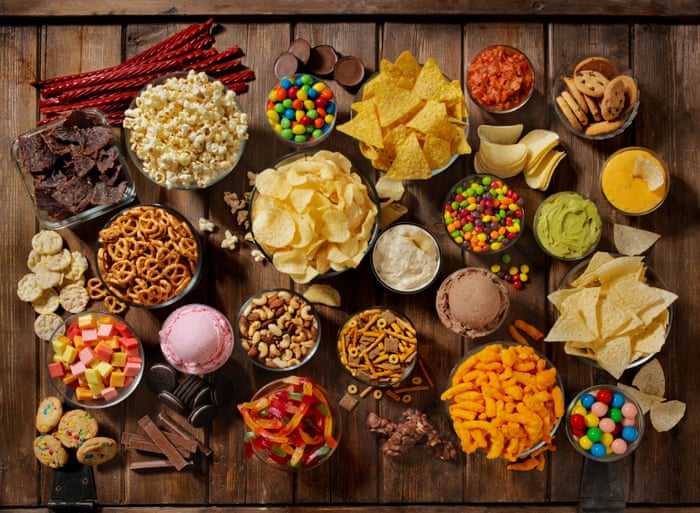
Take a look around the grocery store, and it is easy to see how dramatically the way we eat has changed.
Convenience has become king. Foods are packaged to last longer, engineered to taste irresistible, and designed to be ready in minutes. But as our food has become more convenient, many people are beginning to ask an important question:
What are all these processed foods doing to our health?
The answer may lie in what is commonly referred to as the Western diet.
What Is the Western Diet?
The modern Western diet is often characterized by a high intake of ultra-processed foods, refined grains and sugars, processed meats, fried foods, and foods made with industrially processed ingredients.
These foods can be convenient and inexpensive, but convenience does not always mean nourishment.
Many ultra-processed foods are high in calories while providing relatively little nutritional value. They can also make it easy to consume more added sugars, sodium, and unhealthy fats than we may realize.
Research has consistently linked dietary patterns high in ultra-processed foods with poorer health outcomes. While no single food determines your health, the overall pattern of what we eat, day after day and year after year, can make a significant difference.
Food Should Do More Than Fill You Up
Food is fuel. But it is also much more than that.
The foods we eat provide the nutrients our bodies need to function. Protein helps build and repair tissue. Healthy fats play important roles throughout the body. Vitamins and minerals support countless biological processes. Fiber helps support digestive health and can help us feel satisfied after eating.
That is why the quality of our food matters.
A diet built primarily around whole and minimally processed foods, such as vegetables, fruits, quality proteins, legumes, nuts, and other nutrient-dense ingredients, can provide the body with more of what it needs and less of what it doesn’t.
This does not mean that you have to eat perfectly.
It means making better choices more often.
The Problem With Ultra-Processed Foods
One of the biggest concerns with the modern food supply is the growing reliance on ultra-processed foods.
These products are often made using ingredients and processes you would not typically find in your own kitchen. They may contain combinations of refined ingredients, added sugars, flavorings, preservatives, and other additives designed to improve taste, texture, appearance, or shelf life.
Again, not every processed food is inherently bad. Freezing vegetables, making yogurt, or milling whole grains are all forms of processing.
The difference is in how far the food has been removed from its original form.
The more we rely on foods that are heavily engineered rather than simply prepared, the easier it can become to lose sight of what we are actually eating.
A Better Approach: Get Back to Real Food
At Ron’s, we believe that eating better does not have to mean eating boring food.
It does not mean every meal needs to be a salad.
And it certainly does not mean that you can never enjoy a cheesesteak, burger, pizza, or your favorite comfort food.
We simply believe that how food is made matters.
That is why we have made a conscious effort to look closely at the ingredients we use and the way we prepare our food. We have moved away from seed oils in our cooking and instead use ingredients such as extra virgin olive oil, 100% cold-pressed avocado oil, and clarified butter. We make many of our items from scratch and focus on using quality ingredients whenever possible.
From hand-cut proteins and fresh vegetables to house-made dressings and carefully selected ingredients, our goal is simple:
Serve food that tastes great and gives our guests more confidence in what they are eating.
You Don’t Have to Change Everything Overnight
Improving the way you eat does not require an all-or-nothing approach.
Start by making small changes.
Choose foods with recognizable ingredients. Add more vegetables to your meals. Look for quality sources of protein. Cook at home when you can. Read ingredient labels. Ask questions about where your food comes from and how it is prepared.
Most importantly, remember that healthy eating is not about perfection.
It is about patterns.
One meal will not make or break your health. But the choices we make consistently can add up over time.
Better Ingredients. Better Choices. Better Food.
We know that people are paying more attention to what they put into their bodies, and we think that is a good thing.
For us, this isn’t about following a trend. It is about continuing to ask ourselves how we can do better for our customers.
That means looking beyond convenience.
That means questioning unnecessary ingredients.
And that means believing that the food you love can still be made with intention.
Because when it comes to food, we believe you deserve to know what you’re eating.
And we believe that better choices should never mean sacrificing great food.